
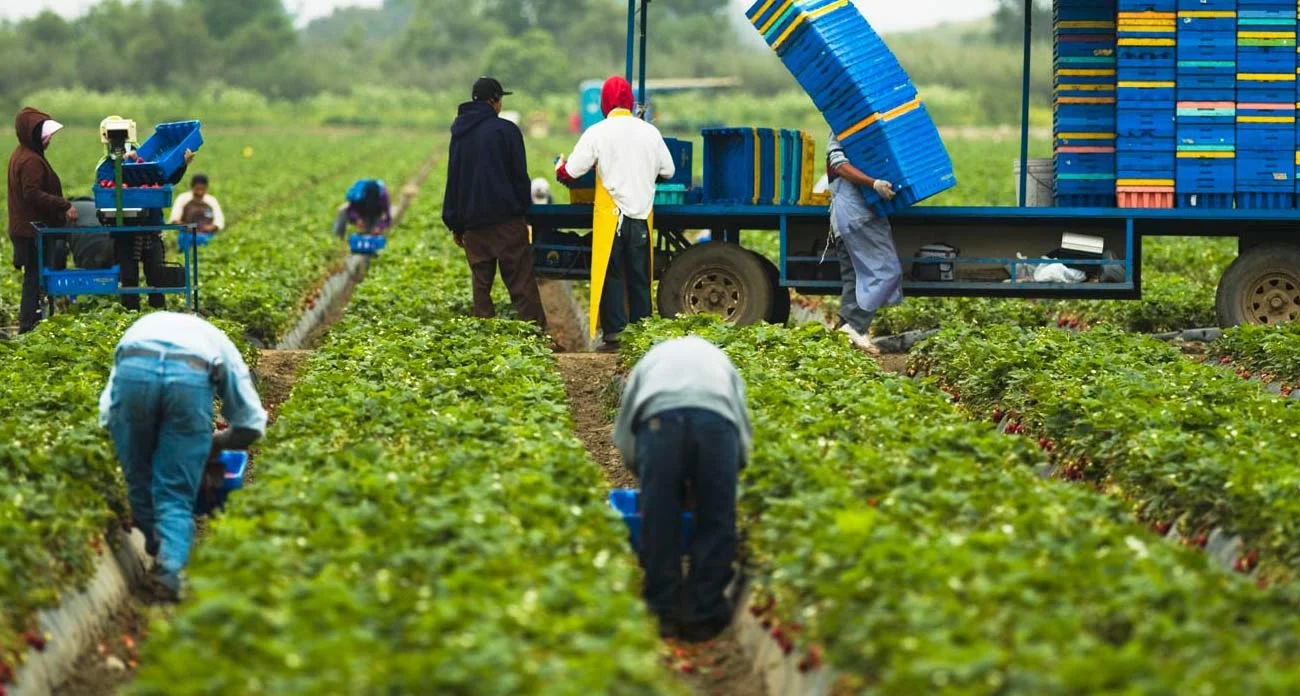

Italy has become one of Europe’s top destinations for foreign agricultural workers, particularly for those seeking legal seasonal employment with visa sponsorship opportunities. From grape vineyards in Tuscany to olive farms in Puglia and fruit orchards in Sicily, thousands of farms across the country are hiring international workers in 2026. The Italian agricultural sector continues to face labour shortages because many local workers prefer urban office jobs to physically demanding farm labour. That gap has created opportunities for foreigners seeking stable work, decent salaries, and a chance to enter Europe legally through employment programmes. According to recent job listings and labour reports, farm workers in Italy can earn between €10 and €14 per hour, depending on the region, season, and type of agricultural work.
The demand is especially high during harvest seasons. Italian farms require workers for fruit picking, greenhouse maintenance, vineyard operations, dairy farming, vegetable harvesting, irrigation management, and packaging agricultural products. Italy’s famous wine and olive oil industries also rely heavily on seasonal labour every year. Reports indicate that Italy expects tens of thousands of agricultural work permits under labour programmes linked to the Decreto Flussi immigration system in 2026.
For many international applicants from Pakistan, India, Bangladesh, Nepal, and African countries, Farm Jobs in Italy 2026 represent more than temporary work. These jobs can provide financial stability, international experience, and in some cases, pathways toward longer-term residence permits. Still, applicants must approach the process carefully because fake job agents and misleading social media advertisements are everywhere. Understanding the real salary structure, visa process, accommodation conditions, and work realities can help applicants avoid scams and make smarter decisions before applying.
Why Italy Needs Foreign Farm Workers
Italy’s agricultural sector is enormous. The country exports wine, fruits, vegetables, olive oil, cheese, tomatoes, and countless other food products worldwide. Every tomato harvested in southern Italy and every grape picked in Tuscany require human labour somewhere in the process. While technology has improved farming efficiency, agriculture still depends heavily on workers for harvesting, sorting, packing, pruning, and field maintenance.
The biggest issue facing Italian farms today is labour shortages. Younger Italians increasingly move toward office work, technology careers, or urban industries rather than physically demanding farm jobs. Farmers, therefore, struggle to find enough workers during busy seasons, especially harvest periods. This shortage has forced many agricultural companies to recruit foreign workers through seasonal labour programmes and visa sponsorship systems. Reports suggest Italy plans large agricultural recruitment quotas under its labour permit programmes in 2026 because farms continue reporting workforce gaps.
Another important reason for the rising demand is Italy’s export economy. Italian food products remain globally famous, and export-focused farming businesses continue expanding production. Vineyards, olive groves, and fruit orchards require reliable labour to maintain quality standards. Think of Italy’s farming sector like a giant clock filled with moving gears. If enough workers are missing, the entire system slows down, affecting production, exports, and profits. Foreign workers help keep that clock running smoothly.
Seasonal peaks also create huge hiring waves. During grape harvesting, olive collection, and fruit-picking seasons, farms suddenly need thousands of additional workers. Many contracts, therefore, last between three and nine months, though some workers later receive extended or permanent employment opportunities depending on performance and labour demand.
Types of Farm Jobs Available in Italy
Farm work in Italy includes much more than fruit picking. The agricultural industry contains multiple job categories, each with different responsibilities, salary levels, and skill requirements. Some positions require no previous experience, while others favour workers familiar with machinery or livestock handling.
Fruit and Vegetable Picking
Fruit and vegetable harvesting remains one of the most common entry-level agricultural jobs in Italy. Workers help collect tomatoes, grapes, oranges, olives, apples, strawberries, and other crops during harvesting seasons. These jobs are especially common in Sicily, Calabria, Veneto, and Puglia. According to recent agricultural job reports, fruit pickers typically earn between €10 and €14 per hour, depending on location and overtime opportunities.
The work can be physically demanding because employees often spend long hours outdoors in changing weather conditions. Tasks usually include collecting crops, sorting produce, packing products into containers, and preparing shipments for transportation. While the work requires stamina, many farms provide basic training for beginners.
Vineyard and Winery Jobs
Italy’s wine industry is world-famous, and vineyards hire large numbers of seasonal workers every year. Vineyard jobs may involve grape harvesting, pruning vines, operating agricultural machinery, or helping inside wineries during fermentation and packaging stages. Some positions pay slightly higher salaries because they require additional technical knowledge or machinery handling skills. Reports show vineyard workers in some regions earn between €12 and €18 hourly.
Dairy and Livestock Farming
Livestock and dairy farms also employ international workers throughout the year. Duties may include feeding animals, cleaning barns, maintaining stables, and assisting with milking operations. These jobs often involve more stable year-round contracts compared to seasonal fruit-picking roles. Dairy workers in northern regions like Emilia-Romagna and Piedmont may earn between €1,800 and €2,300 monthly, depending on experience and workload.
Average Salary for Farm Jobs in Italy 2026
One of the biggest attractions of farm jobs in Italy 2026 is the earning potential compared to wages in many developing countries. While salaries vary depending on region, crop type, employer, and overtime hours, agricultural workers can often earn enough to save money while living modestly.
Here is a comparison of estimated salary ranges in 2026:
| Job Role | Average Hourly Pay | Average Monthly Salary |
|---|---|---|
| Fruit Picker | €10 – €14 | €1,700 – €2,100 |
| General Farm Worker | €10 – €12 | €1,600 – €1,900 |
| Vineyard Worker | €12 – €18 | €2,000 – €2,800 |
| Dairy Farm Worker | €11 – €15 | €1,800 – €2,300 |
| Agricultural Technician | — | €2,500 – €3,500 |
Overtime can significantly increase earnings during peak seasons. Some farms operate six days weekly during harvesting periods, meaning workers may accumulate extra hours regularly. Seasonal bonuses and productivity incentives sometimes apply as well, especially in vineyards and export-focused agricultural businesses.
Still, applicants should remember that gross salary differs from net income after taxes and deductions. Accommodation and transport costs also affect final savings. Northern Italian regions generally offer higher wages, but living expenses there may also be higher compared to southern agricultural areas.
Italy Work Visa Sponsorship Process
For non-European workers, visa sponsorship is usually essential. Italy uses a government-controlled labour quota system called ‘Decreto Flussi’, which regulates how many foreign workers can legally enter the country for employment each year. Agricultural labour remains one of the main categories covered under these quotas. Reports indicate that Italy expects tens of thousands of agricultural work permits under the 2026 programmes.
The process generally works like this:
- An Italian employer offers a job contract.
- The employer applies for work authorisation through Decreto Flussi.
- Once approved, the worker applies for a visa from their home country.
- After arrival, the worker receives a residence permit.
There are usually two major categories:
| Permit Type | Purpose | Duration |
|---|---|---|
| Seasonal Agricultural Visa | Harvest and temporary farm work | Short-term |
| Long-Term Agricultural Work Permit | Stable farm employment | Longer contracts |
Applicants should be cautious because many fake agents misuse terms like “guaranteed visa sponsorship”. Genuine employers usually provide official contracts, legal documents, and transparent recruitment steps. Large upfront fees are a major warning sign.
Discussions on Reddit and expat communities often highlight confusion around sponsorship systems, especially regarding which employers truly sponsor foreign workers and which simply advertise vaguely online.
Requirements for Farm Jobs in Italy
The good news is that most farm jobs do not require university degrees or advanced qualifications. Many positions are open to beginners willing to work hard and follow instructions carefully.
Typical requirements include the following:
- Age above 18
- Physical fitness
- Ability to work outdoors
- Basic communication skills
- Clean criminal record
- Medical fitness certificate
- Valid passport
Some employers prefer applicants with previous agricultural experience, but many farms provide basic training. Workers familiar with tractors, irrigation systems, or livestock handling often receive better opportunities and higher salaries.
Language skills matter too. Basic Italian can improve communication and workplace integration significantly. Some workers rely mainly on English, especially in multinational crews, but knowing simple Italian phrases often helps with daily life and job stability. One Reddit discussion even emphasised that learning Italian improves entry-level employment opportunities substantially.
Best Regions in Italy for Farm Work
Certain regions dominate agricultural hiring because of their farming industries and export operations.
Tuscany
Tuscany is famous for vineyards and wine production. Seasonal grape harvesting creates thousands of temporary jobs every year. Workers may also find opportunities in olive farming and agritourism businesses connected to vineyards.
Sicily and Puglia
Southern Italy produces enormous quantities of olives, tomatoes, citrus fruits, and vegetables. These regions regularly recruit seasonal harvest workers during peak agricultural months. The cost of living is generally lower here compared to northern industrial cities.
Emilia-Romagna
This northern region combines agriculture with advanced food production industries. Dairy farms, cheese production, and export-orientated agricultural businesses create stable year-round opportunities for skilled and unskilled workers.
Accommodation and Employee Benefits
Many farms provide accommodation because agricultural areas are often located far from cities. Housing conditions vary significantly, though. Some employers offer clean shared apartments or dormitories, while others provide very basic facilities.
Common benefits may include:
- Shared accommodation
- Transportation assistance
- Meal support
- Overtime pay
- Health insurance contributions
- Paid leave under legal contracts
Applicants should always request written details about accommodation conditions before travelling. “Free housing” can mean very different things depending on the employer.
How to Apply for Farm Jobs in Italy
The smartest approach is apt to apply through trusted job portals and official recruitment channels rather than random social media advertisements.
Reliable platforms include:
- EURES Europe
- Indeed Italy
- Randstad Italy
- Agricultural recruitment agencies
- Official employer websites
Recent listings on Indeed Italy show hundreds of agricultural job advertisements connected to visa sponsorship and seasonal labour opportunities.
Your CV should focus on:
- Physical work experience
- Farm or warehouse background
- Shift flexibility
- Language skills
- Machinery experience
- Reliability and teamwork
Scams remain a serious problem. Many fake agents promise “100% guaranteed Italy visa jobs” while demanding large payments. Genuine employers may charge small administrative fees through official channels, but huge upfront charges are usually suspicious.
Challenges Foreign Workers Face
Farm work abroad sounds exciting online, but reality can be difficult. Agricultural labour is physically exhausting, especially during hot summer harvest seasons. Workers may spend long days bending, lifting, carrying boxes, and working outdoors.
Language barriers also create stress during the first months. Everyday tasks like shopping, transportation, or handling documents can feel overwhelming initially. Homesickness affects many workers, too, especially those travelling far from family for the first time.
Housing quality varies widely. Some workers enjoy decent accommodations, while others experience overcrowded conditions. Understanding contracts and labour rights before travelling is extremely important.
Despite these challenges, many foreign workers still choose Italy because legal agricultural work can provide stable earnings and international experience. Like planting seeds in difficult soil, the beginning may feel tough, but patience and consistency often lead to long-term opportunities.
Future of Agricultural Jobs in Italy
Technology is transforming agriculture worldwide, and Italy is no exception. Modern farms increasingly use automation, irrigation systems, drones, and AI-supported agricultural management. Some people assume this means fewer jobs, but human workers remain essential for harvesting delicate crops, handling livestock, and managing operations.
Italy’s growing focus on organic farming and export agriculture suggests agricultural employment will remain important for years ahead. Workers with additional technical skills may benefit even more as farms modernise operations.
At the same time, labour shortages continue pushing employers toward foreign recruitment programmes. As long as Italian agriculture depends heavily on seasonal labour, opportunities for international farm workers are likely to remain available.
Conclusion
Farm jobs in Italy 2026 offer real employment opportunities for foreign workers seeking legal work, stable income, and international experience. Italy’s agricultural industry continues facing labour shortages across vineyards, fruit farms, vegetable fields, dairy operations, and olive plantations. Seasonal visa sponsorship programmes under Decreto Flussi have opened doors for thousands of international applicants willing to work hard and adapt to farm life.
Still, success depends on preparation and caution. Applicants should research employers carefully, avoid fake recruitment agents, improve their language skills, and understand working conditions realistically before travelling. Farm work is physically demanding, but for many workers it also becomes a stepping stone toward financial stability and broader opportunities in Europe.
Italy’s countryside may look peaceful in photographs, but behind every vineyard and orchard stands a massive workforce keeping the agricultural economy alive. For workers prepared to face the challenges, the sector continues to offer genuine opportunities in 2026.
FAQs
1. What is the salary for farm workers in Italy in 2026?
Farm workers generally earn between €10 and €14 per hour, depending on the type of work, location, and overtime availability.
2. Can foreigners get visa sponsorship for farm jobs in Italy?
Yes. Many farms hire foreign workers through Italy’s Decreto Flussi labour permit system for seasonal agricultural work.
3. Do farm jobs in Italy require experience?
Most entry-level harvesting and picking jobs do not require previous experience, although agricultural skills can improve hiring chances.
4. Which regions in Italy offer the most farm jobs?
Tuscany, Sicily, Puglia, Emilia-Romagna, and Veneto are among the top regions for agricultural employment.
5. Is accommodation included with farm jobs in Italy?
Some employers provide free or low-cost shared accommodation, but conditions vary depending on the farm and contract.