
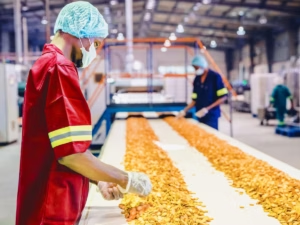

Italy is quickly becoming one of the hottest destinations for foreign workers searching for stable warehouse and packaging employment in Europe. From food factories in Milan to logistics hubs in Bologna and Rome, thousands of companies are hiring workers for packing, labeling, sorting, and warehouse operations. The demand is being fueled by the rapid growth of e-commerce, export businesses, supermarkets, and food processing industries across the country. Reports from Italy’s logistics sector show the market has crossed €117 billion in value, while companies are struggling to fill operational roles like warehouse staff and packing workers.
For many job seekers, packing jobs in Italy in 2026 are attractive because they often require minimal education, provide training, and sometimes include visa sponsorship or accommodation assistance. Whether you are from Pakistan, India, Bangladesh, Nepal, Africa, or another country outside Europe, there are genuine opportunities available if you know where to apply and how the process works. Some employers are offering monthly salaries between €1,200 and €1,800, depending on overtime, location, and shift schedules.
Before applying, though, it is important to understand the realities of the Italian labour market. Not every job advertisement is genuine, and not every employer offers visa sponsorship. Many people fall into scams promising “guaranteed European jobs” in exchange for huge upfront fees. A careful, informed approach works far better than rushing into random social media advertisements. This guide explains everything you need to know about warehouse and packing jobs in Italy in 2026, including salaries, job duties, visa processes, qualifications, work conditions, top cities hiring workers, and practical tips for getting selected faster.
Why Packing Jobs Are in High Demand in Italy
Italy’s economy relies heavily on manufacturing, exports, agriculture, fashion, and food production. Every one of these industries depends on packaging workers. Think about it for a second: every pasta box, cosmetic product, fashion item, and online order shipped across Europe must first pass through a warehouse or packing facility. That massive chain of movement creates thousands of daily jobs for packers, warehouse assistants, and logistics workers.
The rise of online shopping has changed the entire European labour market. Large distribution centres now operate almost 24/7 because customers expect fast delivery times. Northern Italy, especially, has become a logistics powerhouse, with regions like Lombardy and Emilia-Romagna expanding warehouse operations rapidly. According to recent logistics industry reports, operational warehouse roles remain among the hardest positions to fill because demand is higher than the available workforce.
Another major reason for hiring foreign workers is demographic change. Italy has an ageing population, and many younger Italians prefer office or digital jobs over physically demanding warehouse work. Employers, therefore, look abroad to fill these labour shortages. That is why foreign applicants increasingly see advertisements for warehouse operators, food packers, fulfilment associates, and sorting staff.
Seasonal demand also plays a huge role. During busy months, companies dealing with food exports, fashion products, and online retail need temporary and permanent workers to handle increased order volumes. Christmas seasons, summer export periods, and agricultural harvest months often trigger large-scale hiring campaigns. Some companies even provide transport and temporary accommodation to attract reliable workers during peak periods.
Types of Packing Jobs Available in Italy
When people hear “packing jobs”, they often imagine one simple task. In reality, the field includes several different roles depending on the industry. Some positions involve food packaging, while others focus on warehouse logistics or manufacturing assembly lines. Understanding these categories can help applicants choose the right path based on their skills and physical abilities.
Food Packing Jobs
Italy’s food industry is world-famous. From pasta and olive oil to chocolates and frozen products, the country exports enormous amounts of food every year. Food factories regularly hire workers to package items, label products, inspect quality, and prepare goods for shipping. These jobs often involve standing for long hours in temperature-controlled environments.
Food packing jobs are popular among international applicants because many employers provide training. Workers usually wear protective clothing and follow strict hygiene regulations. Tasks may include sealing packages, checking expiry dates, placing products into cartons, or operating packaging machines. In some factories, workers rotate between stations to reduce fatigue and maintain productivity.
Warehouse Packaging Roles
Warehouse jobs are broader and often include scanning products, sorting parcels, loading shipments, and preparing online orders for delivery. Major logistics hubs in Milan and Bologna continue expanding due to rising e-commerce demand. Reports suggest warehouse associates and fulfilment staff are among the fastest-growing logistics positions in Italy.
These jobs may involve barcode scanners, conveyor belts, pallet systems, and inventory software. Workers who learn technical warehouse systems can often move into higher-paying positions later. Forklift certification, for example, can significantly improve salary opportunities.
Factory and Assembly Line Packing
Factories producing electronics, clothing, cosmetics, or industrial products also hire packing workers. These jobs typically involve repetitive tasks on assembly lines. While the work can be physically demanding, factories often provide structured schedules and overtime opportunities. Some workers prefer factory roles because they offer more predictable routines compared to fast-moving warehouse environments.
Average Salary for Packing Jobs in Italy 2026
One of the first questions people ask is simple: “How much can I earn?” The answer depends on location, employer, experience, overtime, and the type of packing work involved. Entry-level warehouse workers in Italy generally earn between €1,200 and €1,500 monthly before taxes, while more experienced warehouse associates or forklift operators can earn higher salaries.
Here is a comparison of estimated salary ranges in 2026:
| Job Role | Average Monthly Salary | Notes |
|---|---|---|
| Food Packing Worker | €1,100 – €1,400 | Entry-level positions |
| Warehouse Associate | €1,300 – €1,600 | May include bonuses |
| Forklift Operator | €1,400 – €1,800 | Certification required |
| Fulfillment Staff | €1,200 – €1,500 | Common in e-commerce |
| Warehouse Supervisor | €1,800 – €2,400 | Experience needed |
Night shifts and overtime can increase earnings substantially. Some workers earn several hundred extra euros monthly during peak seasons. Italian labour laws also regulate working hours and overtime payments, although actual conditions can vary by employer.
Living costs differ dramatically across Italy. Milan and Rome offer higher wages but also higher rent prices. Smaller industrial towns may pay slightly less but allow workers to save more money due to lower living expenses. That balance matters more than many applicants initially realise. A higher salary in an expensive city does not always translate into better savings.
Visa Sponsorship for Foreign Workers
Visa sponsorship is one of the most important topics for non-EU applicants. Italy does allow companies to hire foreign workers, but the process is regulated carefully. Employers usually need permission to sponsor workers through government-approved quotas or labour shortage programmes.
The most common pathway involves the Italian work visa, often connected to the “Decreto Flussi” immigration quota system. Under this system, employers request permission to hire foreign workers when local labour shortages exist. Once approved, applicants can apply for a work visa from their home country.
There are generally two categories:
| Visa Type | Purpose | Duration |
|---|---|---|
| Seasonal Work Visa | Agriculture and temporary jobs | Short-term |
| Non-Seasonal Work Visa | Warehouse, logistics, factories | Long-term |
Some job advertisements mention “visa sponsorship”, but applicants should verify every detail carefully. Real employers typically provide official contracts, legal documentation, and clear explanations of the process. Be cautious of agencies demanding huge upfront payments for guaranteed jobs. Genuine recruitment may involve small administrative costs, but promises of “instant Europe visas” for large sums are major red flags.
Interestingly, discussions on Reddit and expat forums reveal growing international interest in Italy’s work market, especially among Asian applicants seeking logistics and warehouse opportunities. Many workers discuss salary expectations, relocation challenges, and visa procedures openly online.
Requirements for Packing Jobs in Italy
Most entry-level packing jobs do not require university degrees. That is one reason they attract international applicants looking for accessible employment opportunities in Europe. Employers usually focus more on reliability, physical fitness, punctuality, and willingness to work shifts.
Typical requirements include the following:
- Basic physical stamina
- Ability to stand for long hours
- Teamwork skills
- Attention to detail
- Ability to follow safety instructions
- Sometimes basic English or Italian communication skills
Many jobs provide on-the-job training, especially for beginners. Warehouse technology has advanced significantly, though, so workers who understand barcode systems, scanners, or inventory software often gain an advantage during recruitment.
Language ability is another important factor. Some international warehouses operate in English, but knowing even basic Italian improves your chances dramatically. Simple workplace phrases can help workers communicate better with supervisors and colleagues. Think of language skills like carrying an umbrella during uncertain weather—it may not always seem essential, but when challenges appear, it becomes extremely valuable.
Best Cities in Italy for Packing Jobs
Not every city offers the same opportunities. Northern Italy dominates the logistics and manufacturing sectors, meaning job seekers often find more openings there than in southern regions.
Milan
Milan is Italy’s economic engine. The city hosts countless warehouses, fashion distribution centres, and e-commerce facilities. Salaries tend to be higher here, but accommodation costs can also be steep. Workers willing to live outside the city centre often save significantly more money.
Bologna
Bologna has become a logistics hotspot because of its strategic location and transportation networks. Many warehouses serving European distribution routes operate in this region. Job growth remains strong, particularly in fulfilment and sorting operations.
Rome and Naples
Rome and Naples continue expanding their logistics and delivery infrastructure. While opportunities may not match northern industrial hubs, these cities still offer positions in food packaging, retail distribution, and warehouse operations.
How to Apply for Packing Jobs in Italy
Applying successfully requires more than randomly sending CVs online. Employers receive huge numbers of applications, so candidates need a smarter strategy.
Start by using reliable job platforms and official company career pages. LinkedIn, EURES, and international recruitment websites often list warehouse and logistics roles. Some Italian companies also recruit through staffing agencies specialising in industrial labour.
Your CV should be simple, professional, and easy to read. Focus on:
- Previous warehouse or factory experience
- Physical work ability
- Shift flexibility
- Teamwork experience
- Language skills
- Technical certifications
One common mistake applicants make is ignoring scams. Social media is filled with fake “European jobs” advertisements demanding large payments. A recent Reddit post even highlighted recruitment schemes charging enormous fees for overseas warehouse jobs.
Real employers rarely guarantee visas instantly. Always verify company registrations, official websites, and contract documents before sharing passports or paying money.
⇓
Apply Now for Packing Jobs in Italy
Work Environment and Daily Duties
Packing jobs can be physically demanding, and applicants should understand this reality before applying. Workers often spend long hours standing, lifting boxes, sorting products, and repeating tasks rapidly. During busy periods, warehouses may operate overnight shifts or weekend schedules.
A typical day might involve:
- Receiving products
- Sorting items
- Labeling packages
- Scanning barcodes
- Preparing shipments
- Loading delivery vehicles
- Inspecting damaged products
The environment depends heavily on the industry. Food facilities may be cold because of refrigeration systems, while warehouses can become warm during the summer months. Safety regulations are strict, and workers usually receive protective clothing and training.
That said, many employees appreciate the stability of warehouse work. Unlike unpredictable gig jobs, packing roles usually provide structured schedules and consistent monthly income. For migrants trying to establish themselves in Europe, that stability can feel like finally finding solid ground after crossing rough waters.
Accommodation and Employee Benefits
Some employers offer accommodation support, although conditions vary significantly. Temporary housing may include shared apartments, worker dormitories, or company-arranged rentals near industrial zones. Applicants should ask detailed questions before accepting offers because “free accommodation” sometimes means crowded shared spaces.
Additional benefits may include:
- Transportation assistance
- Overtime pay
- Night shift bonuses
- Meal allowances
- Health insurance contributions
- Paid holidays
Italy’s labour protections are generally stronger than many workers expect. Employees with legal contracts usually receive social security coverage and healthcare access. Understanding contract terms carefully is essential because salary structures sometimes include gross pay rather than net earnings after taxes.
Challenges Foreign Workers Face
Working abroad always involves challenges. Language barriers, homesickness, cultural differences, and paperwork complications can make the first months difficult. Italy’s bureaucracy is also famous for moving slowly, which sometimes frustrates newcomers waiting for permits or documents.
Housing can be another major issue. Cities with strong job markets often have high rental prices, especially near industrial areas. Workers sometimes share accommodation initially to reduce expenses.
There is also the emotional challenge of adapting to a new society. Moving abroad is exciting, but it can also feel overwhelming. Everyday tasks like transportation, shopping, or visiting government offices suddenly become more complicated in another language.
Still, many workers successfully build stable lives in Italy over time. Those who learn the language, understand workplace culture, and develop reliable routines often improve their opportunities significantly after the first year.
Future of Packing Jobs in Italy
Automation is transforming logistics worldwide, and Italy is no exception. Advanced warehouses increasingly use robotics, scanners, and AI-driven inventory systems. Some people worry this means fewer jobs, but the reality is more complex.
Technology changes jobs rather than eliminating them entirely. Automated warehouses still need human workers to manage systems, inspect products, solve problems, and oversee operations. Reports from Italy’s logistics sector indicate growing demand not only for manual workers but also for employees who can handle modern warehouse technology.
The future likely belongs to adaptable workers. Employees who combine physical reliability with basic technical skills will remain valuable. Learning forklift operation, warehouse software, or conversational Italian can open doors to promotions and higher-paying positions.
Conclusion
Packing jobs in Italy 2026 offer real opportunities for people seeking stable work in Europe, especially in logistics, warehouses, food production, and manufacturing. The sector continues expanding due to e-commerce growth, labour shortages, and increasing export activity across Italy. Entry-level roles remain accessible for beginners, while experienced workers can progress into higher-paying logistics positions over time.
At the same time, applicants need realistic expectations. Packing work is physically demanding, visa processes take time, and scams remain common online. Success usually comes to people who research carefully, apply through reliable channels, improve their language skills, and remain patient during the process.
For many international workers, Italy represents more than just a job destination. It represents the possibility of building financial stability, gaining international experience, and creating new opportunities for themselves and their families. Like assembling thousands of small packages in a warehouse, long-term success abroad often comes from consistent effort, one careful step at a time.
FAQs
1. What is the average salary for packing jobs in Italy in 2026?
Most packing workers earn between €1,100 and €1,600 monthly, depending on location, overtime, and experience. Specialised warehouse roles can pay even more.
2. Do Italian companies provide visa sponsorship for foreign workers?
Yes, some companies sponsor foreign workers through Italy’s work permit system, especially in sectors facing labour shortages like logistics and warehouses.
3. Is the Italian language required for packing jobs?
Not always, but basic Italian improves hiring chances and workplace communication significantly.
4. Which Italian cities have the most warehouse jobs?
Milan, Bologna, Rome, and industrial regions in Northern Italy currently offer the highest number of logistics and warehouse positions.
5. Are packing jobs in Italy physically difficult?
Yes, many roles involve standing for long hours, lifting products, and working fast-paced shifts in warehouses or factories.